Key technical guidance
- Define the movement requirement and select a sealant class appropriate to the joint’s expected extension and compression.
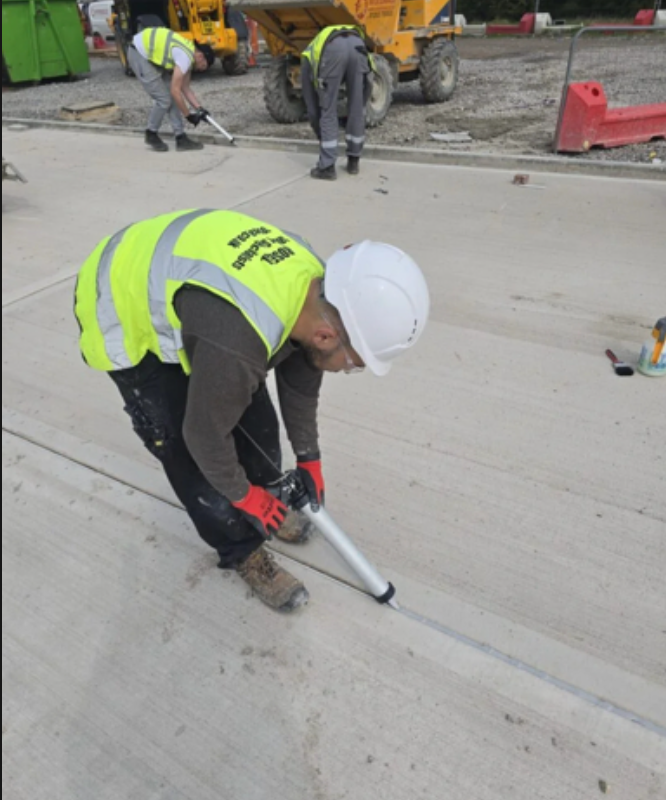
- Set joint width and depth to achieve suitable geometry; use a compatible backing rod to control depth and prevent three-sided adhesion.
- Prepare joint faces properly and use primer only where the selected system requires it.
- Consider exposure: UV, water immersion, façade movement, traffic, chemical contact and service temperature.
How ChemBeton adds value
ChemBeton supports the complete joint system: surface preparation, backing rod, sealant selection, application and tooling. This helps project teams avoid early failures caused by incorrect joint depth or poor adhesion.